
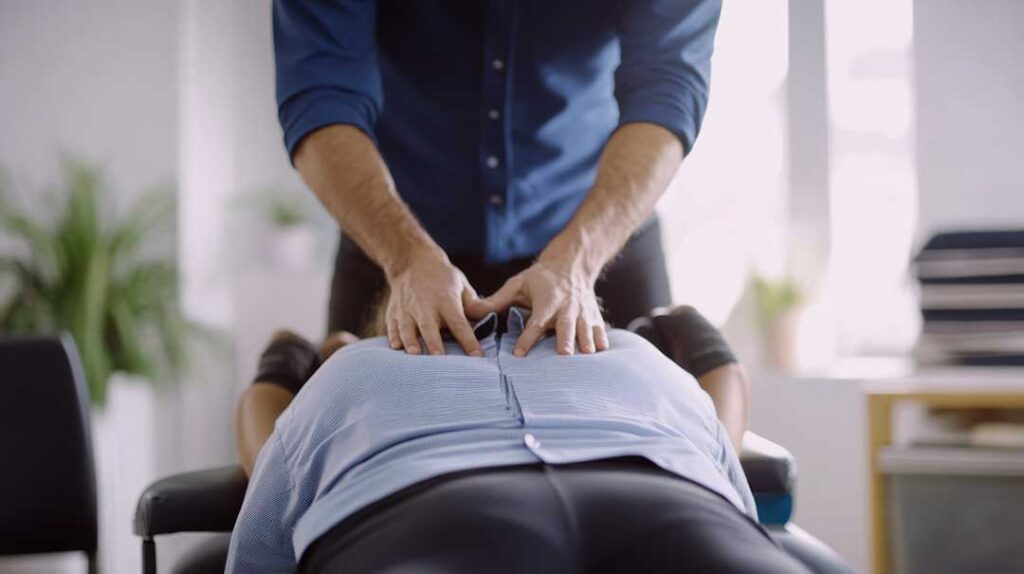
Chiropractic care may help some older adults manage certain musculoskeletal problems, especially back pain, neck pain, joint stiffness, and reduced mobility. Its value depends on the individual’s diagnosis, bone health, medications, balance, and overall treatment plan.
For seniors, the goal should not be “more adjustment” or routine treatment without a clear reason. A careful approach focuses on safe movement, preserving independence, reducing discomfort, and identifying situations that require medical evaluation.
What benefits may chiropractic care provide for older adults?
The most reasonable potential benefits involve movement-related concerns rather than general disease treatment. Depending on the person and the cause of symptoms, care may include gentle manual therapy, mobility exercises, posture guidance, and recommendations for staying active.
Possible benefits include:
- Short-term relief of some low-back or neck pain
- Improved comfort while walking, standing, or changing positions
- Reduced stiffness after sitting or sleeping
- Better tolerance for daily activities such as cooking, gardening, dressing, or household tasks
- Guidance on exercises that support mobility and strength
Evidence for spinal manipulation is strongest for some forms of musculoskeletal pain. The National Center for Complementary and Integrative Health reports moderate-quality evidence that spinal manipulation can provide modest improvement for acute low-back pain, although results vary and benefits are not guaranteed. ([nccih.nih.gov](https://www.nccih.nih.gov/health/spinal-manipulation-what-you-need-to-know?utm_source=openai))
Older adults may also benefit from a broader movement plan that includes strengthening, balance practice, walking, and flexibility work. Chiropractic care, when appropriate, should generally complement—not replace—these activities.
Can chiropractic care help with balance or fall prevention?
Chiropractic treatment alone should not be considered a proven fall-prevention program. Balance problems can result from weak leg muscles, vision changes, medication side effects, inner-ear conditions, neurological disease, low blood pressure, or unsafe flooring and stairs.
A movement-focused evaluation may identify stiffness, limited joint motion, or difficulty turning and rising from a chair. However, fall prevention usually requires several steps. The Centers for Disease Control and Prevention recommends strength and balance exercises, medication review, vision checks, osteoporosis screening when appropriate, and home safety improvements. ([cdc.gov](https://www.cdc.gov/falls/prevention/index.html?utm_source=openai))
For older residents navigating icy sidewalks, snow-covered driveways, or slippery entryways during winter, practical precautions matter as much as treatment:
- Use sturdy, slip-resistant footwear outdoors.
- Keep pathways well lit and free of ice and clutter.
- Use railings on steps and avoid carrying items that block the view of the ground.
- Consider a walking aid evaluation if balance has changed.
- Report a recent fall, dizziness, or repeated near-falls to a medical provider.
The strongest fall-prevention evidence supports progressive strength and balance activity, not passive treatment alone. CDC guidance recommends that adults age 65 and older include aerobic activity, muscle strengthening, and balance exercises according to their abilities and health conditions. ([cdc.gov](https://cdc.gov/physical-activity-basics/adding-older-adults/what-counts.html?utm_source=openai))
Is chiropractic care safe for seniors?
It can be safe for some older adults, but age-related changes require additional caution. Osteoporosis, spinal fractures, arthritis, spinal stenosis, cancer, blood-clotting problems, recent surgery, infection, and certain neurological symptoms may change whether manipulation is appropriate.
Spinal manipulation can cause temporary soreness, stiffness, headache, or increased discomfort. Serious complications are considered very rare, but they have been reported, and risk may be higher when underlying health conditions are present. Patients should provide a complete history of diagnoses, surgeries, falls, medications, and supplements before treatment. ([nccih.nih.gov](https://www.nccih.nih.gov/health/spinal-manipulation-what-you-need-to-know?utm_source=openai))
Neck manipulation deserves particular discussion. Research involving older adults with neck pain found that stroke after a chiropractic or primary-care visit was uncommon, but the study did not establish that manipulation prevents or causes every stroke-related event. Sudden, unusual neck pain or headache—especially with weakness, numbness, trouble speaking, vision changes, facial drooping, or loss of coordination—requires emergency medical attention rather than routine manual treatment. ([nccih.nih.gov](https://www.nccih.nih.gov/research/research-results/low-risk-of-stroke-after-chiropractic-spinal-manipulation-in-older-patients-with-neck-pain-study-finds?utm_source=openai))
What should a senior discuss before treatment?
A useful first conversation should cover more than the location of pain. Important questions include:
- Has there been a recent fall or injury?
- Is there known osteoporosis or a history of compression fractures?
- Are blood thinners or other medications being taken?
- Is pain accompanied by numbness, weakness, fever, unexplained weight loss, or bowel or bladder changes?
- Has there been recent surgery, cancer treatment, or infection?
- Does pain occur at night or continue to worsen despite rest?
- Is dizziness present when standing or walking?

These details help determine whether conservative care is reasonable or whether medical testing is needed first. A senior who has sustained a fall—particularly with hip, back, or head pain—should not assume the injury is only a muscle strain.
What types of care may be more appropriate for older adults?
Treatment should be adjusted to the person’s strength, bone density, mobility, and comfort. Options may include:
- Gentle mobilization rather than forceful thrusting
- Soft-tissue techniques
- Seated or supported exercises
- Gradual range-of-motion work
- Strengthening for the hips, legs, abdomen, and back
- Walking and balance recommendations
- Education about lifting, sleeping positions, and pacing activities
The appropriate approach varies. Someone with mild stiffness and no major health concerns may tolerate a different plan than someone with fragile bones, multiple medications, or a recent fall.
Exercise instruction should be practical and realistic. For example, a person may begin with repeated sit-to-stand movements from a stable chair, short walks on clear surfaces, or supported heel raises. Any exercise that causes sharp pain, faintness, chest symptoms, or new weakness should stop until it is medically reviewed.
What should chiropractic care not be expected to do?
Chiropractic care is not a cure for osteoporosis, arthritis, Parkinson’s disease, vascular disease, or age-related muscle loss. It should not replace fracture treatment, medication management, cancer evaluation, neurological care, or a structured physical therapy program when those services are indicated.
It is also not a substitute for reviewing fall risks at home. Loose rugs, poor lighting, missing stair rails, unsuitable footwear, and medication-related dizziness may contribute more to falling than spinal stiffness does.
For older adults in the community, the most useful plan is usually coordinated: identify the cause of symptoms, choose the least risky effective treatment, remain physically active within safe limits, and reassess if progress is not occurring. Chiropractic care may have a role for selected musculoskeletal complaints, but safe aging depends on the whole picture rather than on spinal treatment alone.
