
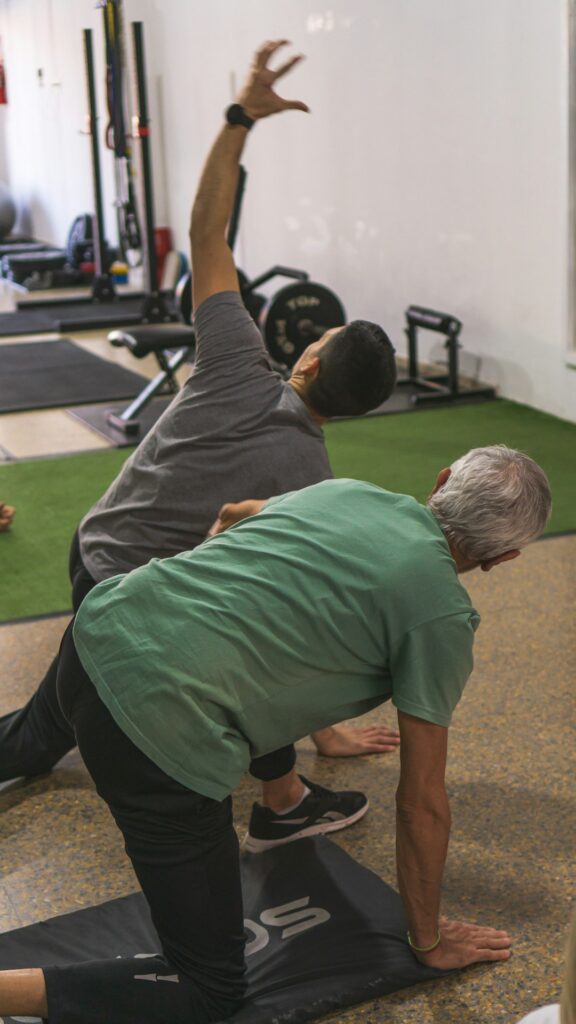
Arthritis can make walking, climbing stairs, gardening, driving, and household tasks more difficult, but regular movement and thoughtful joint care can often improve comfort and function. Chiropractic care may have a supporting role, particularly for arthritis-related back or neck discomfort, but it works best as part of a broader plan that may include exercise, medical evaluation, medication, physical therapy, and daily habit changes.
What kind of arthritis is causing the symptoms?
The first step is identifying the type and location of arthritis. Osteoarthritis commonly affects the knees, hips, hands, spine, and other weight-bearing joints. Rheumatoid arthritis, psoriatic arthritis, gout, and other inflammatory conditions require different approaches.
Pain, stiffness, swelling, and reduced movement can have causes other than arthritis. A joint that is suddenly hot, red, severely swollen, or difficult to use should be medically evaluated rather than treated only with stretching or manipulation.
A proper diagnosis helps determine whether chiropractic techniques, therapeutic exercise, medication, injections, or other care are appropriate.
Can chiropractic care help arthritis?
Chiropractic care may help some people manage pain and movement limitations, especially when arthritis contributes to stiffness in the spine or surrounding joints. Common approaches can include gentle mobilization, soft-tissue techniques, posture instruction, movement exercises, and guidance on modifying activities.
The goal is usually improved function and comfort, not rebuilding damaged cartilage or permanently reversing arthritis. There is no reliable treatment that restores an arthritic joint to its original condition.
Manual therapy may be more useful when combined with exercise and self-management rather than used alone. For example, someone with lower-back stiffness may temporarily move more comfortably after gentle treatment, making it easier to walk, strengthen supporting muscles, or complete mobility exercises.
The appropriate technique depends on the joint involved, the severity of symptoms, age, bone health, medications, and other medical conditions.
Is spinal manipulation safe for someone with arthritis?
Spinal manipulation is not automatically appropriate for every person with arthritis. Mild soreness, stiffness, or a temporary increase in discomfort can occur after treatment. More serious complications are uncommon, but certain health conditions can increase risk.
A careful health history should include:
- Osteoporosis or a history of fractures
- Recent surgery or significant injury
- Numbness, weakness, or changes in coordination
- Blood-thinning medication
- Cancer, infection, or unexplained weight loss
- Rheumatoid arthritis or another inflammatory disease affecting the neck
- Severe or rapidly worsening symptoms
People with inflammatory arthritis may need additional caution because inflammation can affect joint stability. High-velocity techniques should not be assumed to be suitable simply because pain is present. Gentle, controlled movement may be more appropriate in some cases.
What exercises are usually helpful?
Exercise is one of the most reliable non-drug strategies for managing arthritis pain and stiffness. It can strengthen the muscles that support a joint, improve balance, protect mobility, and reduce the effects of prolonged sitting.
A practical routine can include three categories:
- Range-of-motion movement: Gentle bending, straightening, and stretching help reduce stiffness.
- Strength training: Resistance bands, body-weight exercises, or light weights can support the hips, knees, back, and shoulders.
- Low-impact aerobic activity: Walking, cycling, water exercise, and tai chi can improve endurance without placing excessive stress on the joints.
Residents managing cold winters may notice that stiffness is worse after long periods indoors or after sitting near a drafty window. A brief indoor walking routine, gentle morning mobility, or several five-minute activity periods can be more realistic than waiting for a long workout session.
Start slowly. Mild soreness can occur when activity increases, but sharp pain, limping, significant swelling, or pain that remains worse for several hours suggests that the activity should be reduced or changed.
How can daily activities be modified?
Joint protection is not the same as avoiding movement. It means reducing unnecessary strain while continuing to use the body.
Helpful adjustments include:
- Use the strongest joints for lifting and carrying when possible.
- Hold objects close to the body rather than reaching with an extended arm.
- Break heavy household tasks into smaller steps.
- Alternate sitting, standing, walking, and stretching during the day.
- Use a cart or wheeled container instead of carrying heavy loads.
- Avoid gripping tools tightly for long periods.
- Choose supportive footwear for walking and chores.
- Use handrails on stairs, particularly during icy or wet conditions.
- Take short breaks during gardening, snow-related tasks, or home maintenance.

During seasonal work around the home, twisting while carrying, lifting wet snow, or repeatedly climbing ladders can aggravate the spine, hips, knees, and shoulders. Planning the task, warming up first, and stopping before fatigue affects technique can lower the chance of a flare-up.
Should heat or cold be used?
Heat is often more comfortable for morning stiffness or tight muscles. A warm shower, heating pad, or warm compress may help prepare the body for movement. Heat should be comfortably warm rather than hot, and it should not be used over areas with reduced sensation.
Cold can be useful after activity when a joint feels irritated or swollen. A cold pack should be wrapped in cloth and used for short periods. Neither heat nor cold should be used to ignore worsening symptoms, a hot red joint, or a suspected injury.
People with circulation problems, diabetes-related nerve changes, or reduced skin sensation should use extra care with temperature-based treatments.
What role do weight, sleep, and pacing play?
Body weight affects the load placed on weight-bearing joints, particularly the knees, hips, ankles, and feet. Even modest weight reduction may improve comfort for some people, especially when paired with strengthening and walking or water-based activity.
Sleep also influences how pain is experienced. A supportive sleep position, regular bedtime, and attention to nighttime pain can make daily movement easier. Pacing matters as well: doing too much on a good day can lead to a flare that limits activity for several days.
A useful approach is to increase activity gradually and repeat manageable amounts rather than alternating between complete inactivity and intense effort.
When should arthritis symptoms be medically assessed?
Seek prompt medical evaluation for a joint that becomes suddenly very swollen, hot, red, or intensely painful. Medical assessment is also appropriate for unexplained fever, new weakness, loss of bladder or bowel control, progressive numbness, a recent major injury, or pain that repeatedly disrupts sleep.
Persistent symptoms may require confirmation of the arthritis type and a coordinated plan. Chiropractic care can address certain movement and musculoskeletal concerns, but it does not replace treatment for inflammatory arthritis, infection, fracture, nerve compression, or other medical conditions.
For many people, the most useful plan combines accurate diagnosis, regular joint-friendly activity, sensible pacing, strength training, and carefully selected hands-on care when it is safe and appropriate.
