
Can chiropractic care reduce anxiety?
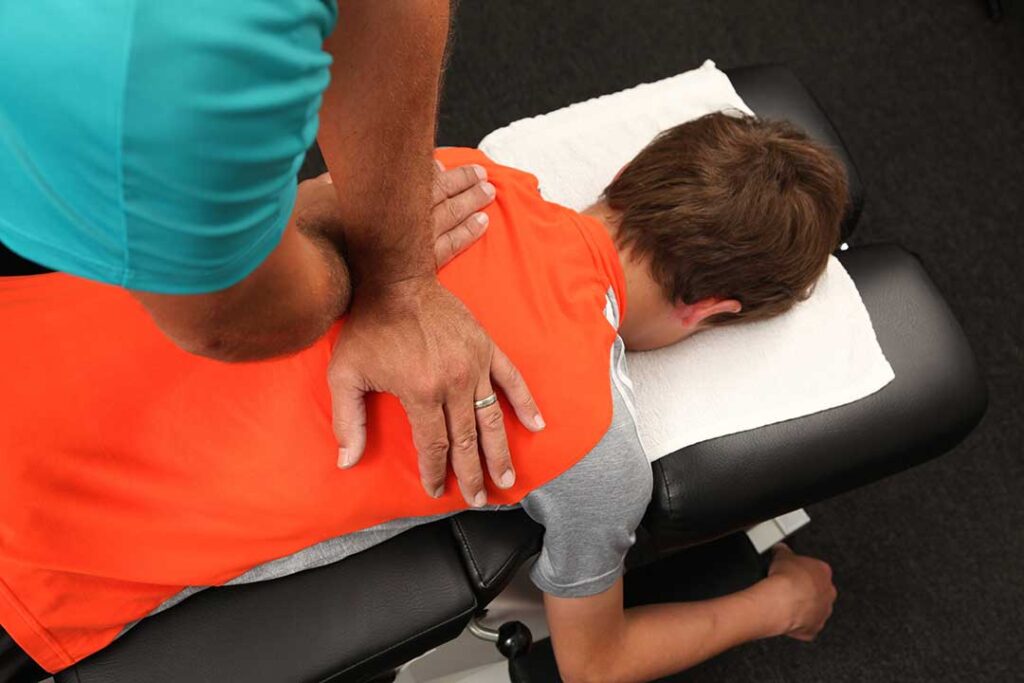
Chiropractic care may help some people feel less tense or more comfortable, particularly when anxiety is connected with muscle tension, neck or back pain, poor sleep, or reduced physical activity. However, current evidence does not establish chiropractic treatment as a primary treatment for anxiety disorders.
Chiropractic care most often focuses on musculoskeletal concerns through approaches such as manual therapy, spinal manipulation, exercise guidance, and movement education. Anxiety disorders are generally treated with evidence-based psychotherapy, medication, or both. ([nccih.nih.gov](https://www.nccih.nih.gov/health/chiropractic-in-depth?utm_source=openai))
That distinction matters. A person may feel calmer after addressing painful or restricted movement, but that does not necessarily mean the underlying anxiety disorder has been treated.
Why might someone feel less anxious after chiropractic care?
Pain and anxiety can reinforce each other. Persistent discomfort may make sleep more difficult, limit normal activities, increase irritability, and keep the body in a state of heightened alertness. Anxiety can also increase muscle tension and make ordinary physical sensations feel more threatening.
For some local residents, seasonal routines may contribute to this cycle. Cold weather can reduce outdoor activity, while snow and ice may encourage more time indoors, prolonged sitting, or cautious movement. Working at home, driving, household responsibilities, and reduced exercise can add to neck, shoulder, or low-back tension.
If chiropractic care improves mobility or reduces pain, a person may also notice:
- Easier movement during daily activities
- Less guarding or muscle tightness
- Improved ability to exercise
- Better sleep because discomfort is less disruptive
- Greater confidence in returning to normal routines
These effects may support general well-being. They should not be interpreted as proof that spinal manipulation directly treats the causes of generalized anxiety, panic disorder, obsessive-compulsive disorder, or post-traumatic stress disorder.
What does the research say?
Research on complementary approaches for anxiety is mixed. The National Center for Complementary and Integrative Health reports that evidence varies substantially by treatment, and that stronger research is needed for many approaches. Its guidance does not identify chiropractic care as an established treatment for anxiety disorders. ([nccih.nih.gov](https://www.nccih.nih.gov/health/anxiety-and-complementary-health-approaches?utm_source=openai))
Some people who use spinal manipulation report reduced stress, better sleep, or feeling better emotionally. Those reports describe perceived benefits, but they do not prove that spinal manipulation caused a clinical improvement in an anxiety disorder. Studies based on self-reported wellness can also be influenced by expectations, changes in pain, attention from a healthcare provider, or other simultaneous lifestyle changes. ([nccih.nih.gov](https://www.nccih.nih.gov/research/does-use-of-natural-product-supplements-yoga-and-spinal-manipulation-make-people-feel-better?utm_source=openai))
The more reliable question is often: What problem is the treatment addressing? If the main concern is back pain with muscle tension and secondary worry, musculoskeletal care may be one part of a broader plan. If the main concern is persistent fear, panic attacks, avoidance, intrusive thoughts, or anxiety that disrupts work and relationships, mental health treatment should be central.
Can chiropractic care replace therapy or anxiety medication?
No. Chiropractic care should not replace psychotherapy or prescribed medication for a diagnosed anxiety disorder.
Cognitive behavioral therapy, commonly called CBT, is an established treatment for anxiety disorders. It helps people recognize unhelpful thought patterns, develop coping skills, and gradually change behaviors that maintain fear or avoidance. Medication may also be appropriate, depending on symptoms, medical history, preferences, and treatment response. ([apa.org](https://www.apa.org/topics/anxiety-disorders?utm_source=openai))
A coordinated approach may make sense when anxiety and physical discomfort occur together. For example, a person might receive:
- Psychotherapy for worry, panic, avoidance, or trauma-related symptoms
- Primary care evaluation for new or worsening physical symptoms
- Musculoskeletal care for pain or restricted movement
- Regular walking, strengthening, stretching, or other appropriate activity
- Sleep and stress-management support
Each part addresses a different concern. No single treatment is suitable for everyone.
What should someone ask before trying chiropractic care for anxiety?
A useful conversation should begin with a clear treatment goal. Questions may include:

- Is the main problem anxiety, pain, muscle tension, sleep disruption, or limited movement?
- What changes would indicate that treatment is helping?
- How will progress be monitored?
- Are there exercises or daily movement strategies that can be practiced safely?
- Could another health condition be contributing to the symptoms?
- Should a primary care clinician or mental health professional also be involved?
It is also reasonable to ask what treatment involves, what side effects may occur, and when treatment should be stopped. Spinal manipulation is not risk-free, and a health history is relevant before physical treatment. People should mention conditions such as osteoporosis, recent injury, neurologic symptoms, blood-clotting problems, or medications that affect bleeding risk.
When is anxiety a reason to seek mental health care?
Occasional anxiety is a normal response to stress. It becomes more concerning when worry is difficult to control, lasts for weeks or longer, causes repeated panic attacks, interferes with sleep, or leads to avoiding work, school, driving, social situations, or routine responsibilities.
Prompt evaluation is especially important when anxiety is accompanied by:
- Chest pain, fainting, severe shortness of breath, or new neurologic symptoms
- Substance use to manage fear or panic
- Severe insomnia or inability to function
- Thoughts of self-harm or suicide
A medical emergency warrants 911. In the United States, people experiencing a mental health crisis can call or text 988 for the Suicide & Crisis Lifeline.
A practical way to think about the options
For residents in Perinton, chiropractic care may be reasonable to consider when anxiety occurs alongside a clearly defined musculoskeletal problem, such as painful neck tension or back discomfort. The likely benefit is indirect: improved comfort, movement, sleep, or confidence may make anxiety easier to manage.
For persistent or impairing anxiety, evidence-based mental health care should not be delayed. Chiropractic treatment can sometimes fit alongside that care, but it should be presented accurately—as possible support for physical symptoms, not as a proven stand-alone cure for an anxiety disorder.
