

What Is Vertigo and How Does It Affect Local Residents?
Vertigo is a sensation that makes people feel as though they or their environment is spinning or moving, even when everything is actually still. It can range from mild and brief episodes to severe and debilitating symptoms that disrupt daily activities. Residents in Perinton, NY, with its mix of suburban homes and active lifestyles, may find vertigo especially frustrating when it limits driving, recreation, or home tasks.
Common causes include:
- Inner ear disturbances (such as benign paroxysmal positional vertigo, or BPPV)
- Migraine-associated dizziness
- Vestibular neuritis or labyrinthitis (inner ear infections)
- Head or neck injuries
Vertigo might also be connected to anxiety, dehydration, or even seasonal illness, factors affected by the region’s variable weather and indoor heating habits.
Can Chiropractic Care Address the Underlying Causes of Vertigo?
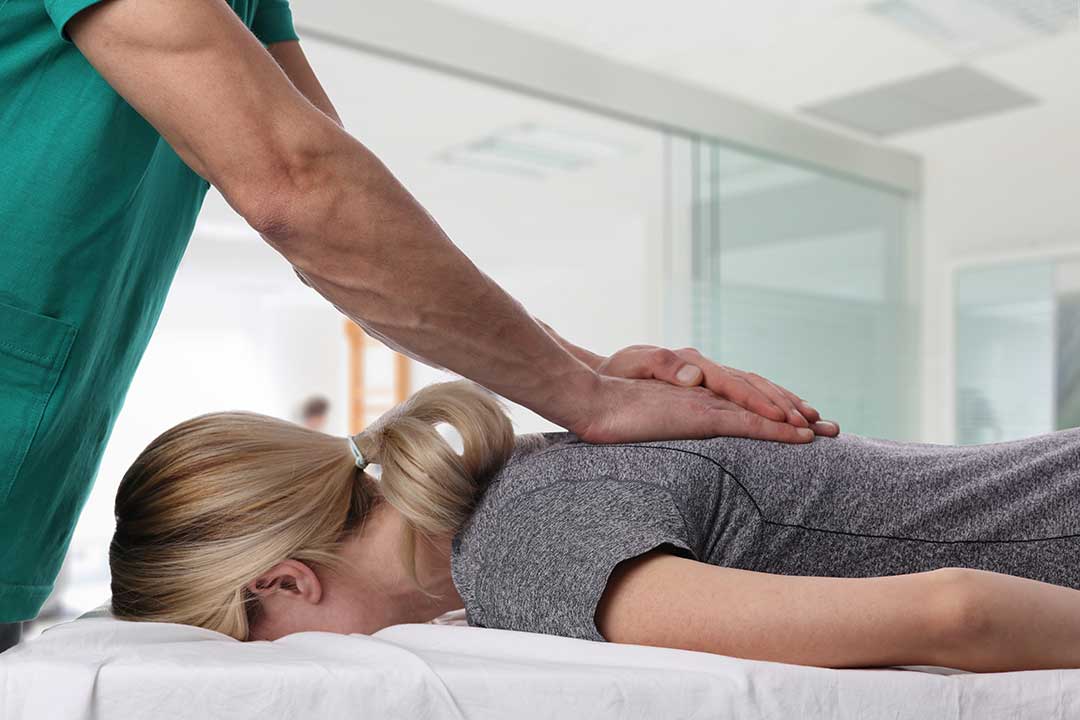
Chiropractic care does not directly “cure” most forms of vertigo, but certain approaches may help those whose symptoms relate to nerve irritation, joint dysfunction, or problems in the cervical spine (the neck area). For instance, when vertigo follows a neck injury—such as after winter slips on icy Perinton walkways—attention to spinal alignment and mobility may be helpful.
Chiropractors often evaluate:
- The alignment and movement of cervical vertebrae
- Signs of muscle tightness or trigger points
- Posture and balance, especially after local falls or minor car accidents
For inner ear disorders, however, chiropractic care is not a standard treatment. Since many vertigo cases are ear-related, most practitioners in the city recommend medical evaluation first, especially for new or severe symptoms.
What Types of Chiropractic Techniques Might Be Used?
Many people wonder what actually happens during a chiropractic visit for dizziness or vertigo symptoms. The approach depends on each person’s situation and cause of vertigo.
Common techniques may include:
- Gentle manipulation or mobilization of the upper spine, aiming to improve nerve communication and joint movement
- Balance and proprioception exercises, which can be carried out at home or incorporated into daily routines around the community
- Guidance on posture, especially for those who work at desks or spend time using digital devices during Perinton’s winter months
- In rarer cases, specific maneuvers such as the Epley maneuver may be performed to help reposition inner ear crystals for BPPV, though this is most often done by medical providers specializing in vestibular rehabilitation
Who Might Benefit from a Chiropractic Approach?
Residents most likely to experience benefit from chiropractic care are those whose vertigo has a musculoskeletal component. Examples include:
- Individuals recovering from minor neck injuries after local sports or icy slip-and-fall accidents
- People with poor posture or muscle tension from working long hours at desks or computers
- Those who have experienced whiplash from vehicle collisions, which can cause both neck pain and dizziness
- Some people with chronic head or neck tightness during high-stress periods, which can amplify dizziness or imbalance
For vertigo caused by viruses, severe infections, or new unexplained episodes, a medical screening is essential before starting any manual therapy.
What Are Potential Benefits and Limitations?
Chiropractic care may offer certain advantages for eligible patients with vertigo:
- Non-invasive approach
- Focus on improving overall neck and spinal health
- Support with exercises that build balance and confidence, especially helpful for seniors living in Perinton’s neighborhoods
However, care has its limits:
- Not all forms of vertigo respond to chiropractic treatments
- Inner ear, cardiovascular, or neurological causes often require referral to a medical doctor for assessment or different therapies
- Misdiagnosis or inappropriate manual techniques could worsen some conditions
Residents should be honest about all symptoms and follow safety recommendations, especially if they experience fainting, severe headaches, visual changes, or hearing loss.
Are There Simple Steps Local Residents Can Try at Home?
Before considering any manual therapy, some general steps may help minimize vertigo symptoms:
- Sitting down immediately if dizziness begins, avoiding sudden head movements
- Staying hydrated, particularly during dry indoor heating months in Perinton
- Using supportive shoes with good grip during icy winter conditions to avoid falls
- Taking frequent breaks and changing positions if working at a computer or reading for extended periods
For those with confirmed BPPV, specific repositioning exercises demonstrated by medical professionals may help, but these should never be attempted without proper instruction.
When Is Further Medical Evaluation Necessary?
Vertigo can sometimes signal a more serious underlying condition. Local residents should seek prompt medical attention if vertigo is accompanied by:
- Sudden onset of severe headache, speech or vision changes
- Fainting, chest pain, or irregular heartbeat
- Difficulty walking or controlling limbs
For ongoing or unexplained vertigo, coordination between chiropractic and medical providers enhances safety, and ensures underlying conditions are not missed.
How Do Community Patterns and Seasons in Perinton Affect Vertigo Risks?
Unique aspects of life in Perinton mean residents sometimes face specific vertigo risks:
- Slippery sidewalks and driveways in winter can cause falls or concussions
- Use of home heating systems and closed windows can increase dehydration or sinus issues, occasionally worsening dizziness
- Area households with older adults should be extra attentive to balance and fall prevention
- Seasonal allergies, common during spring and fall, can contribute to ear and sinus issues, sometimes leading to transient vertigo
Awareness of these factors helps local residents take practical steps to stay safe and recognize when new symptoms may need attention.
