
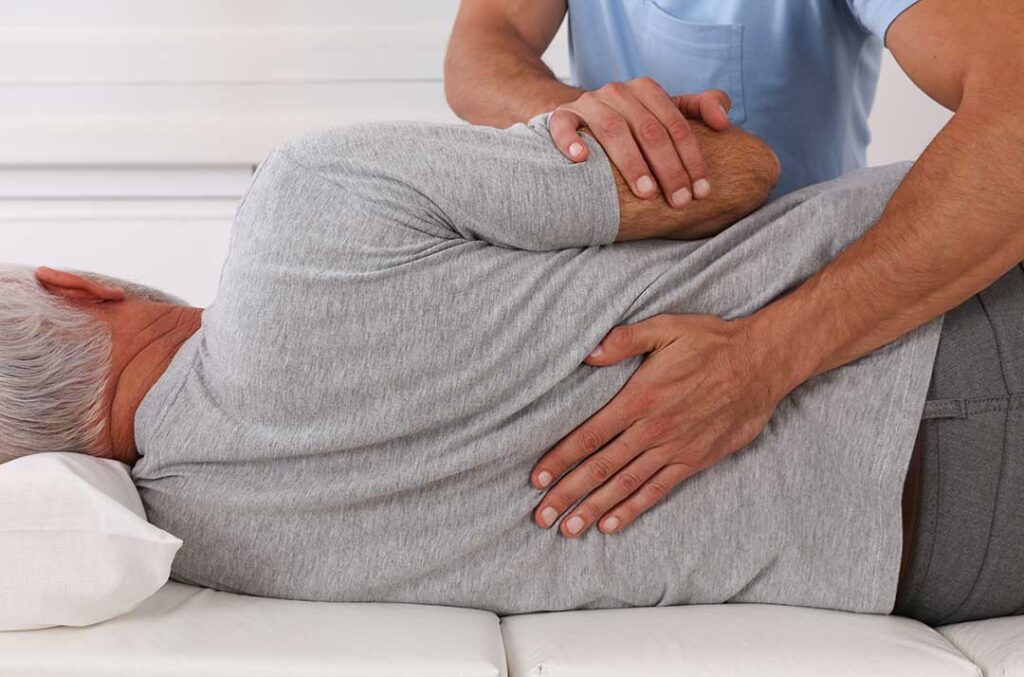
What Are Practical Steps Local Residents Can Take to Manage Chronic Pain?
Self-care for ongoing pain involves more than just medication. Many people in Perinton, NY find relief through daily routines, simple lifestyle adjustments, and small environmental changes. Chronic pain often can’t be “cured,” but residents can improve quality of life and have better days by taking an active role in their own care.
Can Everyday Movement and Gentle Exercise Really Help?
Yes, safe movement usually benefits many with persistent pain, contrary to popular belief that rest is always best. Regular low-impact movement increases blood flow, eases stiffness, and helps maintain joint and muscle health. For the local climate, consider:
- Taking short neighborhood walks, even indoors at local community facilities during winter
- Practicing gentle stretching routines at home, focusing on range of motion
- Using gardening or light yard work as natural movement during warmer months
- Trying chair yoga, tai chi, or basic resistance exercises when mobility is limited
Residents should always listen to their own bodies and adjust activities based on pain levels, choosing times of day when pain is less severe.
How Can Perinton Households Modify Their Environment for Comfort?
Simple adjustments at home or work may improve daily comfort:
- Use supportive and adjustable chairs, especially for those working remotely
- Arrange high-use items within easy reach to minimize repetitive bending or twisting
- Add foam pads or rugs in areas where hard flooring increases joint discomfort
- Consider bed pillows or wedges for additional nighttime support
These adaptations create a more pain-friendly living space and may prevent flare-ups.
Do Local Weather Patterns Influence Pain—and What Helps?
Many in the area notice joint or muscle discomfort increases with humidity, falling barometric pressure, or cold snaps, which are common in Perinton. While not everyone is affected, those who are can try:
- Wearing layers to keep muscles warm and flexible during colder months
- Using heating pads or warm baths to relax sore areas
- Keeping home humidity levels stable with a humidifier in dry winter air
- Tracking weather changes alongside pain levels to identify personal patterns
Understanding local weather’s impact can help guide daily self-care decisions.
What Are Techniques to Manage Pain Without Medication?
Various non-pharmaceutical strategies offer relief to many community members:
- Mindfulness and deep breathing: Focused techniques calm the nervous system. Short daily sessions often help reduce the intensity of pain signals.
- Guided relaxation, meditation, or gentle music: These can ease stress, which tends to worsen pain symptoms.
- Distraction or leisure activities: Hobbies, reading, gardening, or low-effort crafts redirect attention and foster a sense of accomplishment.
- Alternating heat and cold therapies: For some, applying ice or warmth on the affected area brings temporary relief—experiment to find what works best.
How Can Local Social Connections and Support Systems Play a Role?
Chronic pain may feel isolating, but trusted connections make coping easier. Neighbors, friends, and family who listen or assist can help ease both physical and emotional stress. Community programs and support groups—sometimes offered by local libraries, parks, or senior centers—provide safe ways to share experiences and avoid feeling alone in daily struggles.
What Traps or Misconceptions Should Residents Watch For?
Some common pitfalls can actually worsen pain over time:
- Staying completely inactive—rest is helpful only briefly during severe pain spikes
- Ignoring or pushing through pain signals to exhaustion
- Over-relying on over-the-counter medications, which can have cumulative side effects
- Believing all pain means injury or unavoidable decline; many causes are non-structural and manageable with self-care
A balanced approach, headed by understanding and working with the body's limits, proves most effective.
When Should Someone Seek Medical Evaluation for Chronic Pain?
Self-care complements, but does not replace, medical guidance. Anyone experiencing new, intense, or rapidly worsening pain; unexplained swelling or weakness; changes in bladder or bowel control; or pain following a fall or accident should seek prompt evaluation. These scenarios could signal a condition that needs prompt medical attention.
