
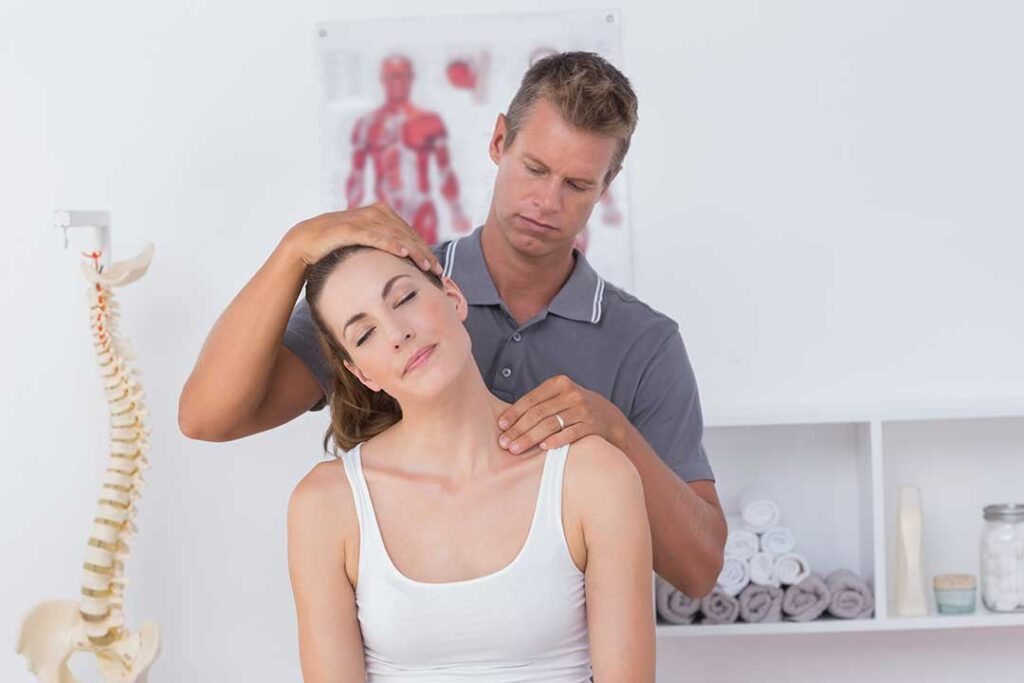
What Is a Subluxation?
A subluxation is a term commonly used in chiropractic care to describe a situation where a joint, most often within the spine, is not in its optimal position or is not moving the way it should. This doesn’t always mean the bone is dislocated, but rather that the alignment or movement has changed in a way that may affect the surrounding nerves or soft tissues.
In everyday terms, a spinal subluxation can cause a variety of symptoms—sometimes subtle, like stiffness or occasional discomfort, or more obvious, such as persistent pain, tingling, or changes in movement. Many local residents experience mild subluxations from daily activities like gardening in the backyard, shoveling snow during the winter, or spending long hours at a desk.
Why Do Subluxations Matter to Residents?
Subluxations can impact daily comfort, physical performance, and general mobility. For local community members, ongoing issues with spinal alignment may influence everything from safe driving and enjoying parks to participating in outdoor recreation common in Perinton.
Even minor misalignments can:
- Limit flexibility or range of motion
- Cause headaches or persistent neck stiffness
- Lead to compensating movements, which put strain on other muscles
- Interfere with restful sleep, making daily routines harder
Most issues are mild, but in some cases, untreated subluxations can contribute to chronic pain or increase the risk of further injury. Community members report that small aches after routine activities sometimes turn into ongoing discomfort if ignored.
What Causes a Spinal Subluxation?
Subluxations can arise from everyday activities as well as gradual wear and tear. Common causes include:
- Sudden movements, slips, or falls (especially on icy sidewalks in winter)
- Poor posture at home or during remote work
- Repetitive lifting, bending, or carrying heavy bags
- Age-related joint changes and reduced flexibility
Local climate and seasonal changes can also play a role. For example, shoveling after a winter storm or working in damp garden beds can both contribute to minor joint misalignments. Even recreational cycling on local trails or playing catch in the yard can occasionally trigger a misalignment if movements are awkward or muscles are fatigued.
What Are the Signs and Symptoms?
Many people assume that all spinal problems cause severe pain, but the signs of a subluxation can be much subtler:
- Stiff neck or back, especially after physical activity
- Occasional numbness or tingling in hands, arms, or feet
- Muscle tightness or spasms in the back or neck
- Occasional headaches that start at the base of the skull
- Feeling “out of alignment” or stiff when getting up in the morning
Sometimes, these signs are mistaken for general aging, especially after seasonal chores. Not every ache or twinge is a subluxation, but residents experiencing persistent symptoms should pay attention if things don’t resolve with brief rest or stretching.
Misconceptions About Subluxations
There’s confusion around what a subluxation is and how much it impacts health. Some common misconceptions include:
- Believing all spinal misalignments need immediate correction: Many mild subluxations resolve on their own with gentle movement, rest, or stretching.
- Thinking only intense pain is significant: Mild misalignments may still interfere with comfort or sleep, even if they aren’t extremely painful.
- Assuming children or teenagers are not affected: Carrying heavy backpacks or playing sports can cause misalignments in any age group.

It’s important to understand that a subluxation is not always a medical emergency. Most cases are minor and can be managed with basic self-care.
What Should Local Residents Do If They Suspect a Subluxation?
If minor symptoms like stiffness or limited motion appear after a known incident—such as slipping on wet grass or carrying boxes up the stairs—gentle self-care is a good starting point. Practical approaches include:
- Applying a cold pack for the first day if there’s swelling or recent injury
- Resting briefly and avoiding aggravating movements
- Gentle stretching or walking to encourage natural movement, if comfortable
- Tracking symptoms to see if they resolve naturally within a few days
If pain is severe, lasts more than several days, is accompanied by leg numbness, loss of control over bladder or bowels, or if an injury was serious (such as a fall from height), prompt medical evaluation is warranted for safety reasons. For most mild symptoms, monitoring and gentle activity are often sufficient.
How Are Spinal Misalignments Managed at Home?
Not every minor subluxation requires specialized intervention. Area households often manage mild discomfort by:
- Using ergonomic furniture and mindful posture
- Taking regular breaks during repetitive chores or desk work
- Engaging in daily movement, such as walking or stretching
Locals sometimes find it helpful to adapt their activity routines with the seasons, such as being mindful of icy conditions in winter or switching up yard work tasks to avoid repetitive strain during spring planting. For recurring or worsening symptoms, consulting a primary care provider is appropriate to rule out more serious concerns.
What Role Does Everyday Life in Perinton Play?
Many lifestyle factors unique to Perinton, such as hilly neighborhoods, wide seasonal temperature changes, and outdoor-oriented family activities, can subtly influence spinal health. For example, clearing snow from walkways or maintaining large gardens each spring puts specific physical demands on the body. Being proactive about body mechanics during these activities can help prevent misalignments from developing or worsening.
Staying active throughout the year and listening to minor discomforts, rather than pushing through pain, supports long-term comfort and flexibility for all ages in the local community.
